S3 E1 From Farmland to Wetland: Doug & Dawn Armey’s Conservation Legacy
Watch or Listen Today!
From Farmland to Wetland: Doug & Dawn Armey's Conservation Legacy
As we kick off Season 3 of The Lake Doctor Podcast, Suzie Light and Dr. Nate Bosch sit down with Doug and Dawn Armey to celebrate their remarkable journey into wetland restoration. What began with a simple wood duck nesting box on a mailbox led to partnering with Scott Fetters, Private Lands Biologist with the US Fish and Wildlife Service, and NRCS to convert marginal cropland into six beautiful, functional wetlands on their property.
Doug and Dawn share how these wetlands support abundant wildlife — from wood ducks and geese to Blanding’s turtles — while providing flood storage, nutrient filtration, and a peaceful refuge for their family and grandchildren. They discuss the long-term commitment of conservation easements, managing invasives like Phragmites and poison hemlock, using prescribed burns and water control structures, and the joy of passing on a love for nature to the next generation.
Their story shows how everyday landowners can turn challenging land into lasting ecological treasures that benefit water quality, wildlife, and future stewards. A perfect story of patience, partnership, and legacy.
Guest bio: Doug and Dawn Armey are Warsaw natives with deep roots in Kosciusko County. After meeting at a now defunct dance hall, the Armeys married and quickly found a shared passion for conservation. Rooted in the idea of giving more than he takes from nature, Doug worked with Scott Fetters to restore bird habitat on their property. An avid hunter, Doug trains his own bird dogs, a talent he shared with his son, Ross.
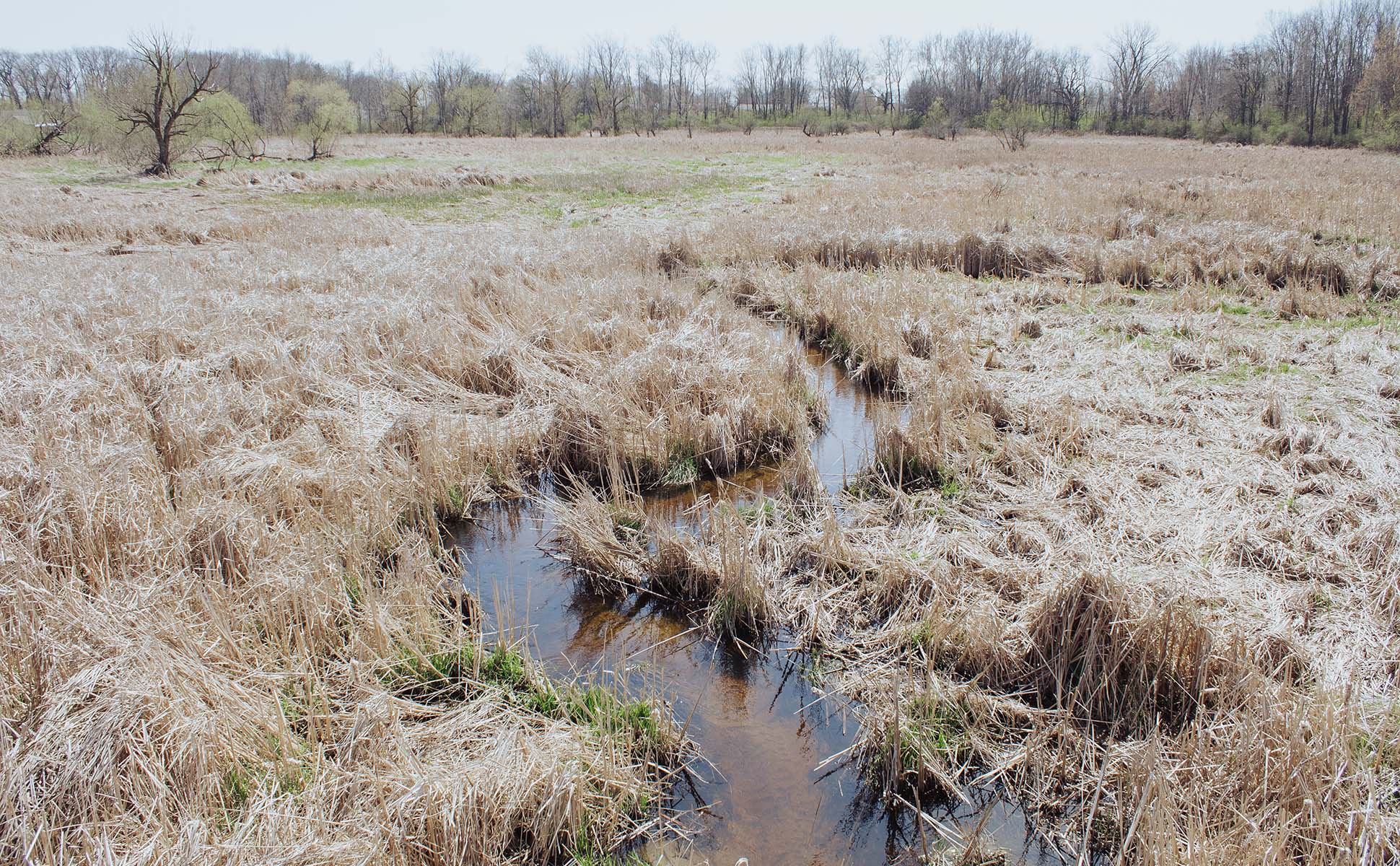
Wetlands play an important role in lake health!
As part of our Lake Rx initiative, we plan on optimizing wetlands in Kosciusko County. Wetlands filter pollutants from the water before they reach the lake and absorb excess water that might otherwise lead to flooding.