S2 E17 How Wetlands Help Lakes Recover with Stephen Jacquemin
How Wetlands Help Lakes Recover with Stephen Jacquemin
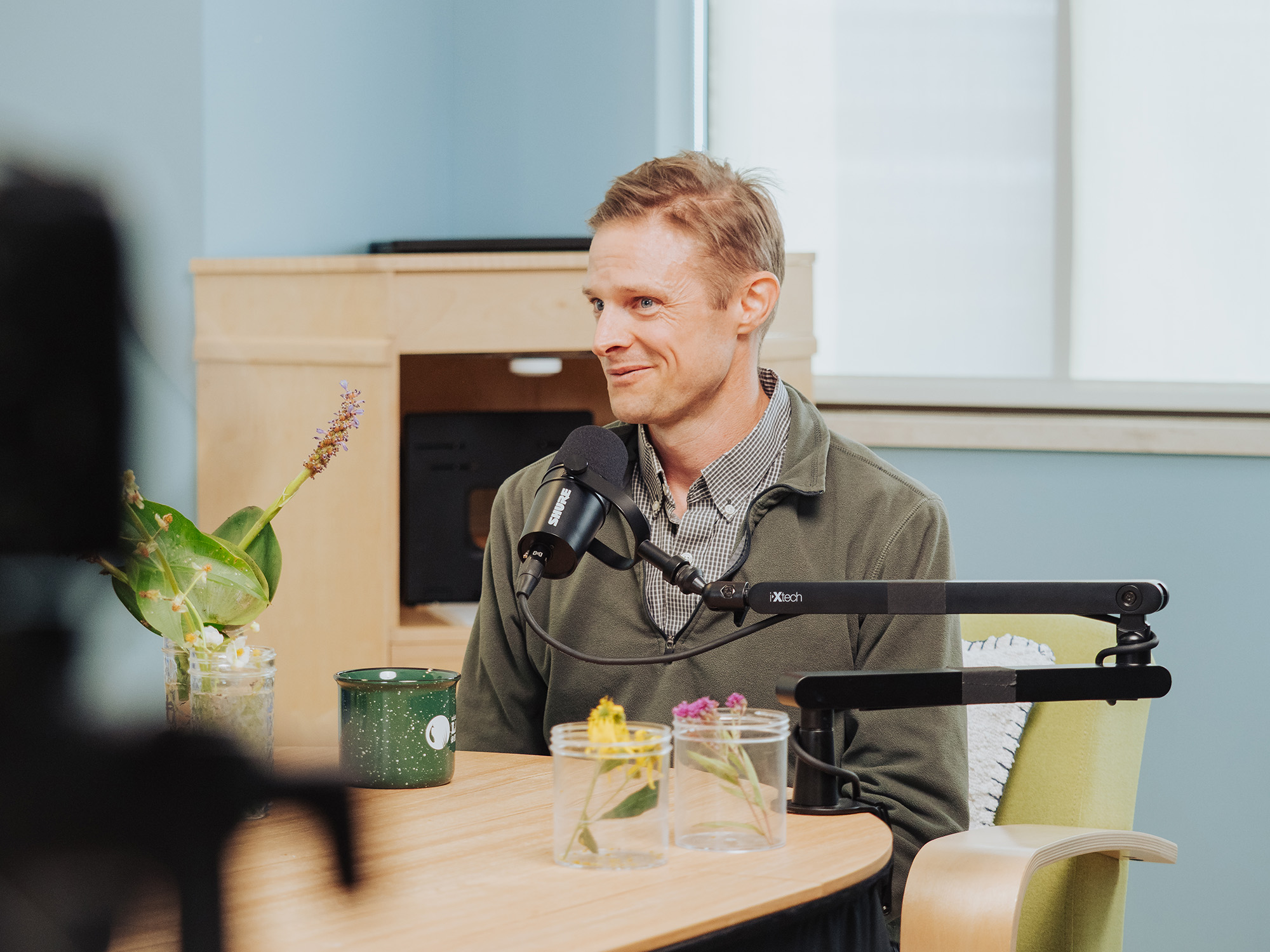
Today, we sit down with Dr. Stephen Jacquemin, professor at Wright State University’s Lake Campus, to explore the remarkable recovery of Grand Lake St. Marys, Ohio’s largest inland lake. Once a poster child for harmful algal blooms—fueled by shallow depths and heavy nutrient runoff from surrounding agriculture—the lake hit crisis levels with toxins in the 99th percentile, impacting public health, tourism, and property values.
Stephen traces the lake’s history as a 1830s canal reservoir and shares how community-wide action turned the tide: farmers adopting precision nutrient management, cover crops, tile controls, and riparian buffers, combined with the strategic restoration of engineered wetlands now covering over 2.5% of the watershed. These wetlands filter up to 15% of incoming water, significantly reducing nitrogen and phosphorus while boosting wildlife habitat and offering recreational trails.
With ongoing monitoring ensuring long-term success, the episode highlights measurable progress in toxin reduction and provides an inspiring, practical blueprint for Kosciusko County and other lakes facing similar challenges.
Watch or Listen Today:
How to eat like a wetland
Wade deeper into the world of wetlands with expert guest, Landon Vine. Not only will Landon intrigue you with how a wetland works, he also reveals the beauty that is unique to Indiana’s wetlands.